

The epidemiology department has reported that the number of people suffering from influenza infection is increasing in many parts of Sri Lanka. The health department has advised the public to be alert and there is no need to panic.
Speaking at a press conference held at the Health Promotion Bureau, Chief Epidemiologist Specialist Dr. Palitha Karunabema said that the number of influenza patients has been increasing in the country for the past three to four weeks.
This increase has been observed through the surveillance activities carried out by the health authorities. He also noted that about 35 percent of the samples tested last week were positive for influenza infection.
It has been revealed through this observation that a significant number of people seeking medical help with symptoms such as cough, cold and fever are suffering from influenza.
In this case, if symptoms like fever or cold appear, it is necessary to take care of them without neglecting them. At the same time, it cannot be concluded that everyone with symptoms has contracted influenza. The disease should be confirmed on the basis of necessary medical tests and medical advice.
How Influenza Spreads and Who Should Pay More Attention
Influenza is a respiratory tract infection caused by a virus. The disease can spread to others through droplets and respiratory particles released when an infected person coughs and sneezes. Infection is also possible by touching the eyes, nose or mouth by touching objects contaminated with infected secretions.
Common symptoms include fever, cough, sore throat, runny nose, body aches, headache and fatigue. Some people may have mild symptoms. For others, especially those with pre-existing health problems, the disease is likely to worsen.
According to specialist physician Palitha Karunabema, pregnant women, children, the elderly and those suffering from infectious diseases such as diabetes, heart disease, kidney disease should pay extra attention.
In some cases complications may develop if these segments become infected. Therefore, it is important to seek medical advice without delay in case of fever or breathing problems.
With proper treatment and rest, many people can recover in a few days. However, it is not guaranteed that everyone will recover completely in three or four days. Seek immediate medical attention if symptoms of shortness of breath, chest pain, severe weakness, dehydration, or persistent worsening occur.
Any child with difficulty breathing, unusual lethargy, or inability to drink water should seek immediate medical attention.
Precautionary measures to be followed by public to control infection
Health officials have advised people who are infected with influenza to take necessary precautions to avoid spreading the infection to others. In particular, it is important to stay at home and rest when symptoms are present.
Specialist physician Palitha Karunabema said that the victims should stay at home for two or three days and rest. However, if symptoms persist or worsen, medical advice should be followed without returning to normal activities just because the period is over.
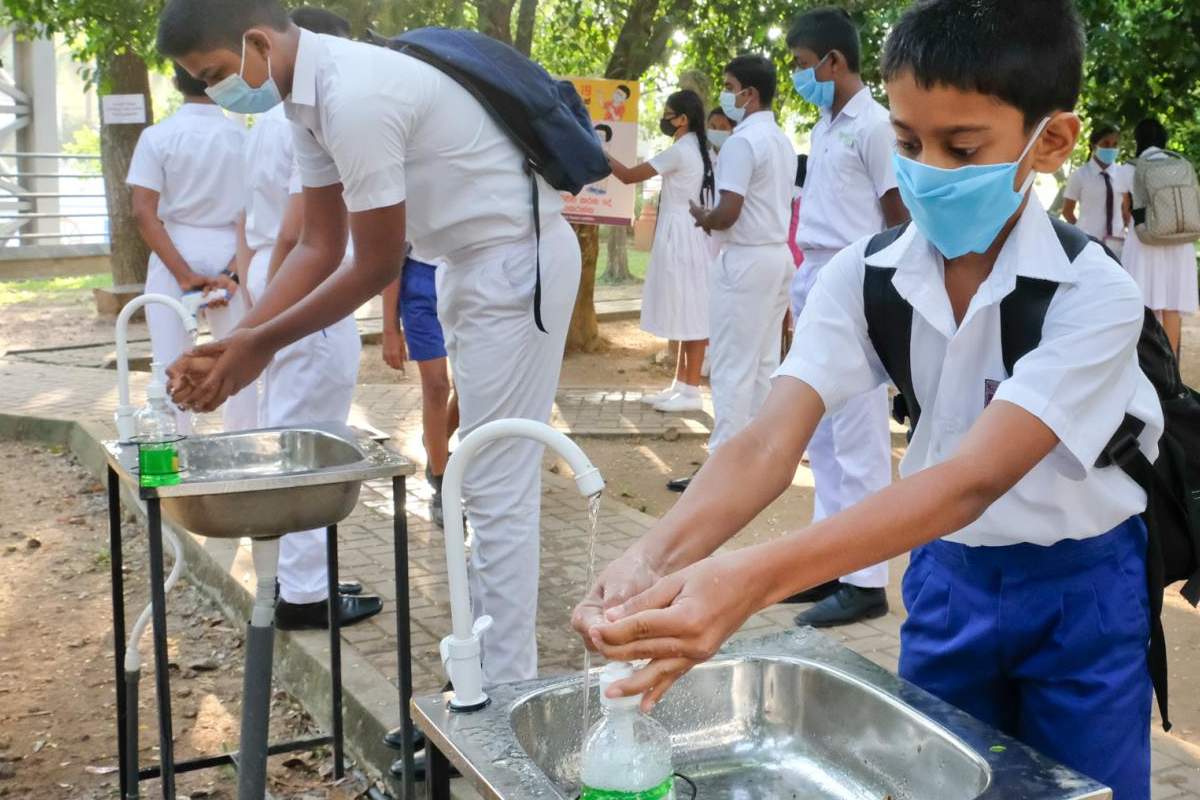
Simple habits like washing your hands frequently with soap, covering your mouth and nose when you cough and sneeze, and safely disposing of used handkerchiefs and tissues can help reduce the spread of infection.
Wearing a face mask can help protect others, especially when people with symptoms of illness have to visit hospitals, aged care facilities and crowded places. It is also advisable to reduce close contact with elderly or chronically ill people at home.
Also, drinking enough water, eating nutritious foods, and getting enough rest help the body recover. Antibiotics should be avoided without consulting a doctor. Because influenza is a viral infection, antibiotics do not work directly against the virus.
Key points for the public to consider regarding this news are to reduce the spread of infection, protect vulnerable family members, and seek immediate medical attention when symptoms worsen. These are common health priorities; Repeated comments in the reader comments section of the news are not confirmed.
The reported increase in influenza infections in Sri Lanka is yet another reminder of the importance of personal hygiene practices. Everyone can contribute to controlling the spread of infection by avoiding unnecessary panic, paying attention to symptoms responsibly and following the instructions of health authorities.