

A complaint has been filed against a high-ranking government official in Sri Lanka. According to the information, the complaint has been made based on the allegations made regarding the actions of the officer and there has been a demand for a proper investigation into the incident.
Decisions taken by officials holding high positions in government administration have a direct impact on the functioning of the public and government institutions. Therefore, when complaints are made about the actions of such officials, it is important to examine them with evidence to see if there is a real administrative problem and not just to look at them as political differences.
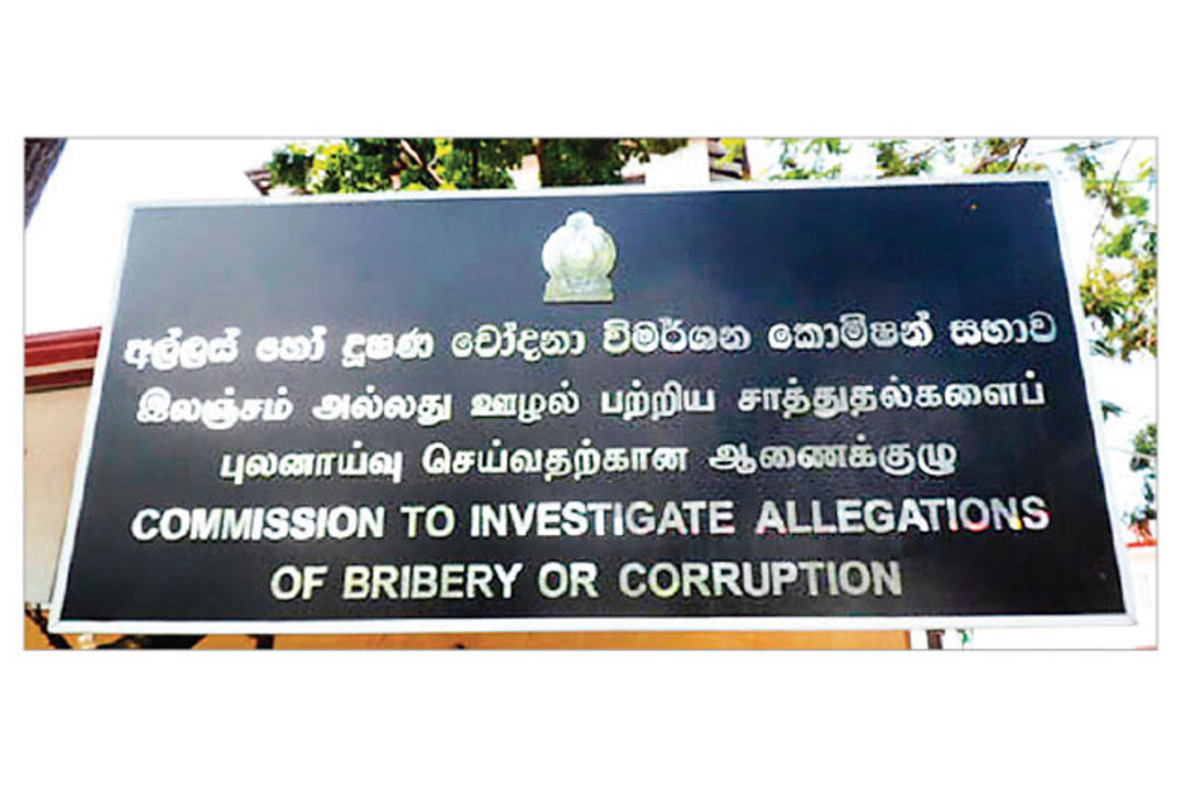
Various types of complaints have been made against high government officials in Sri Lanka in the past. They include allegations of abuse of power, bias in administrative decisions, misappropriation of property and alleged misuse of government resources. In 2026, there were reports that the Bribery and Corruption Investigation Commission had started investigations into the assets and liabilities of more than 500 people, including politicians and high government officials.
Thus, the complaint that has been published now has to be seen in the broader context of the anti-corruption measures that are being strengthened in the country.
Background of the complaint and questions arising
The first thing to be noticed when a complaint is made against a superior officer is the nature of the allegations made in the complaint. The mere fact that an officer’s decision is wrong does not constitute illegal action. At the same time, evidence of abuse of power or use of office for personal or political purposes becomes subject to serious investigation.
In such cases the allegations of the complaining party and the explanation of the accused officer should be recorded separately. Only after that the investigative bodies can examine the documents, orders, administrative records and statements of the concerned persons.
In recent years there has been an increased debate in Sri Lanka about transparency and accountability in the operations of government agencies. There is an expectation that the public should be given a clear explanation of the decisions taken by those in higher positions.
Earlier, a criminal investigation was initiated following a complaint by the Attorney General that some officers of the Attorney General’s Department had been falsely accused on social media. It also examined whether the allegations leveled against senior officers were true.
This experience illustrates an important point. Just because a complaint is filed does not mean that the offense has been proven. Similarly, rejection of complaint cannot be a substitute for investigation. An unbiased investigation is essential to ascertain the truth.
A similar approach is expected to be followed in the present appeal. The public will pay more attention to the credibility of the investigation, especially when the position held by the concerned officer is high.
Increasing focus on accountability of public officials
On the one hand, the rise in complaints against top officials may indicate problems in state institutions. But on the other hand, it can also show that there are functioning systems of complaint against abuse of power.
Legal and institutional changes have been made in recent years in relation to anti-corruption measures in Sri Lanka. Under the Anti-Corruption Act, 2023, officials are also mandated to submit declarations of assets and liabilities. The Act also provides for the power to take court action against those who fail to submit them.
In such a situation it would not be a correct approach to treat every complaint against the higher authorities only from a political point of view. At the same time, investigative bodies should also be mindful of whether baseless allegations are made due to political pressure or personal enmity.
The recent judgment of the High Court in the case of the Secretary of the Ministry of Transport has also sparked a debate on the jurisdiction of government officials and equality before the law. The incident, in which the court ruled that an administrative action by a high official violated a fundamental right, reiterated the importance of government officials also acting within the bounds of law.
As a result, the public’s expectations regarding the complaint that has been released now are around the same thing. It must be clarified whether the allegation is genuine. If it is true then legal action should be taken against those involved. If the allegation is proved to be baseless, it should also be clearly stated.
Complaints against higher officials need not undermine the credibility of a government agency. Rather, what matters is how those complaints are handled. Public confidence can be preserved if the investigation is conducted without delay, without political interference and based on available evidence.
At present, further information regarding the allegations leveled in the complaint and the results of the investigation are crucial. Until then it is appropriate to wait for the outcome of the investigation rather than treating the allegations as concrete facts. The next key question is how the inquiry responds to public expectations for greater accountability and transparency in government administration.