

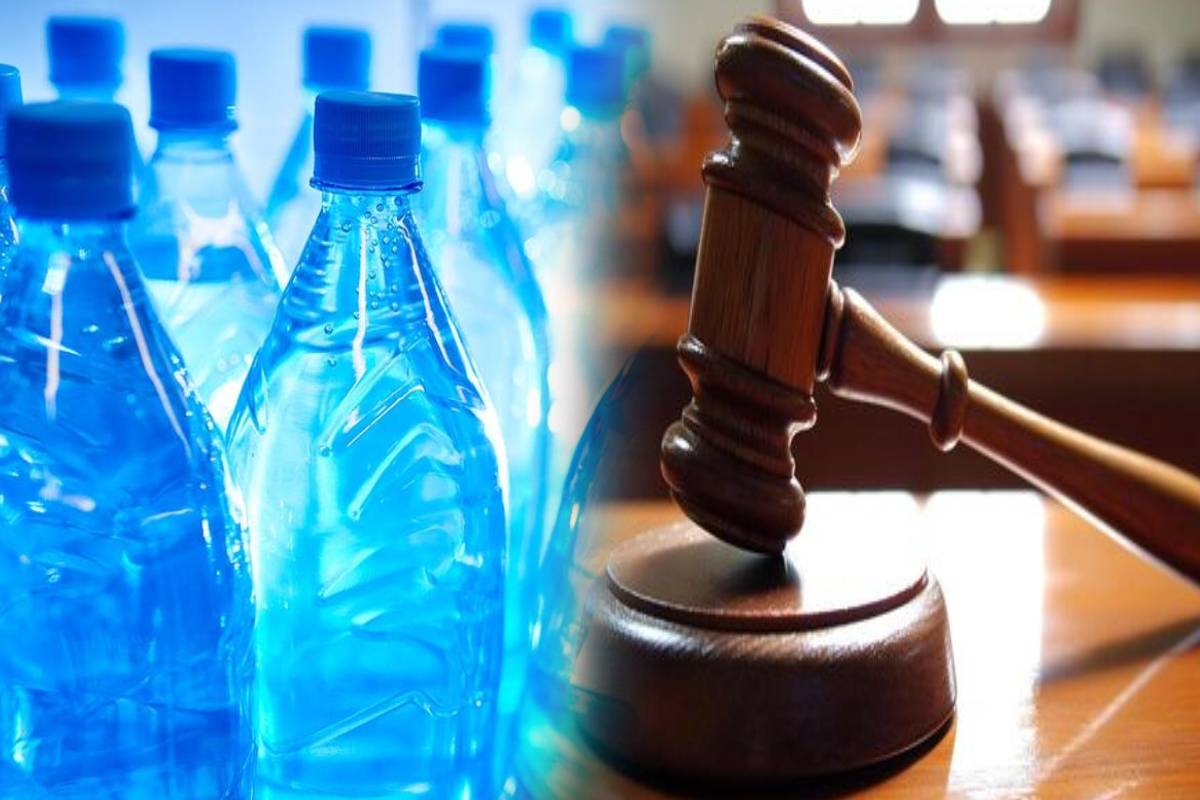
A fine of Rs 260,000 has been imposed on a restaurant owner in one of Sri Lanka’s popular tourist destinations for selling drinking water at a higher price than the prescribed maximum retail price and displaying expired soft drinks for sale. The incident has drawn attention as a crackdown by authorities against trade practices that violate consumer rights.
Officials of the Badulla District Consumer Affairs Authority recently raided a hotel and restaurant located near Ella Railway Station. During this, it was found that drinking water bottles were sold at high prices and expired soft drinks were kept for sale.
The incident has once again highlighted the need for traders selling food and beverages in tourist-heavy areas to strictly follow consumer protection laws.
Selling above fixed price: Irregularities detected in inspection
During the inspection conducted by the officials of the Consumer Affairs Authority, it was found that although the maximum retail price of a liter bottle of drinking water was Rs. 120, the bottle was sold for Rs. 200. Through this, an additional 80 rupees has been spent per bottle.
Drinking water is one of the essential needs. Especially, those who travel long distances, tourists and those who engage in outdoor activities in hot weather are in need of drinking water. Paying more than the fixed price in such circumstances may cause additional cost and inconvenience to the consumer.
Also, it was found that six 400 milliliter bottles of soft drinks expired on September 29 were displayed for sale in the said restaurant.
Keeping expired food and beverages for sale is an important consumer safety issue. Sellers are responsible for ensuring product quality, safety and expiration date. In particular, companies that sell soft drinks and packaged foods should regularly check their inventory.
The Consumer Affairs Authority has taken legal action in the Badulla Magistrate’s Court regarding the incident. During the trial, the owner admitted to the charges against him and was fined Rs 2 lakh 60 thousand.
Protecting consumer rights is imperative: What the public needs to look out for
The important points emerging from the news regarding this incident are selling drinking water and other essential commodities at fixed prices, removing expired products from sale and proper fulfillment of responsibilities by the commercial companies.
The main concerns that may arise among the public regarding such incidents are whether the prices of goods in tourist areas are properly monitored, whether there are adequate checks to prevent out-of-date goods being kept for sale, and how consumers can protect their rights. However, unless specific social media comments or reader comments are verified, they cannot be considered genuine public opinion.
There are some important points to keep in mind while buying drinking water, soft drinks and packaged food products from public shops. First, check the maximum retail price listed on the item. Next, check the manufacturing date and expiry date. If the packaging of the product is damaged or there is any doubt about its quality, it is better to avoid buying it.
However, a complaint can be made to the concerned authorities if more than the prescribed price is charged or if expired products are kept for sale. Complaints can be lodged during office hours through the Consumer Affairs Authority’s emergency phone number 1977, the notice said.
Businesses need to be transparent and accountable in their sales activities. In addition to following price norms, procedures for prompt disposal of out-of-date items should also be followed.
This incident across the region highlights the importance of monitoring efforts by the authorities in protecting consumer rights. At the same time, the public can also contribute to the protection of their rights by checking the price and expiry date of products before purchasing them.