

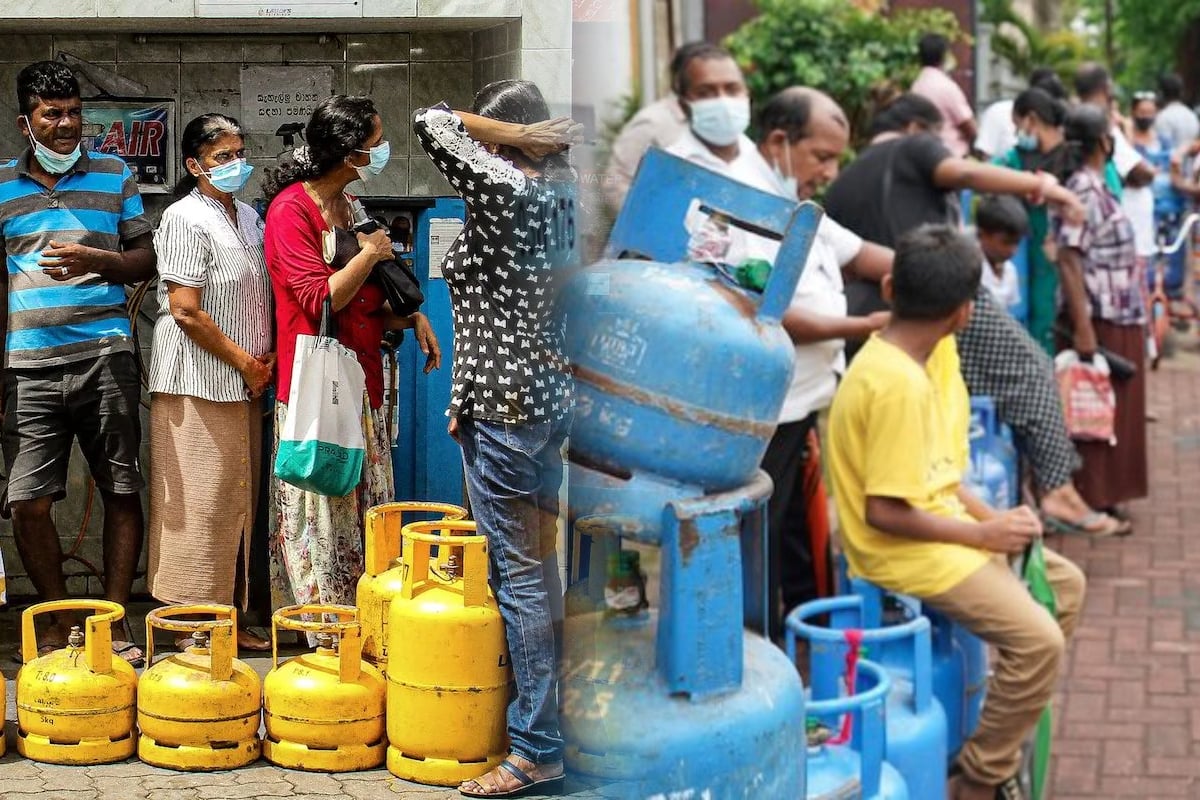
The news that the shortage of cooking gas has intensified in Sri Lanka has caused great concern among the public. Thousands of families who depend on gas for daily cooking are reportedly facing difficulties in getting the required cylinders. In particular, gas supply has been affected in some parts of the Western Province, including Colombo, and people have to wait in long queues.
During the economic crisis that Sri Lanka faced in the past, people queued for hours to get fuel and cooking gas. There is now a fear that the experience will happen again among the public. Gas scarcity is not just an issue affecting cooking demand; One that can affect household expenses, small businesses and even the normal activities of daily life.
The war situation in the Middle East region and disruptions in international supply chains are said to cause disruptions in gas supply. As Sri Lanka is dependent on imports, changes in the international market can also affect domestic supply. Thus, maintaining gas reserves and ensuring continuous supply become important.
Impact on gas supply: Information released by companies
Litro and Laugfs are major players in Sri Lanka’s cooking gas market. According to the information mentioned in the news, Litro provides the bulk of the country’s gas supply, while Laugfs is also making a significant contribution.
In some parts of the Western Province, including Colombo, there was a shortage of Laugfs gas, and later there were difficulties in getting Litro cylinders, according to distribution agents. It is said that due to non-availability of regular supply during the specified period, there are problems in meeting the demand of consumers visiting the outlets.
The CEO of Laugfs has noted that there is a crisis in global gas supply. International political tensions, shipping restrictions and delays in imports may affect gas availability. However, it is necessary to assess each cause of domestic shortages on the basis of corroborated information.
Meanwhile, the head of Litro had said that there was a delay in the arrival of gas tankers in the country. A ship carrying 3,500 metric tons of gas has arrived in the country and steps are being taken to quickly distribute it to the market, the report said.
With the country’s daily gas demand said to be around 1,200 metric tonnes, even minor delays in supply could put pressure on the market. Also, temporary shortages can also be exacerbated by consumers attempting to purchase more cylinders from another company when one company’s cylinders are not available.
Although the company has expressed hope that the situation will improve with the arrival of gas tankers in the country in the coming days, public inconvenience is likely to continue until the supply is fully restored.
People suffering in queues: What are the main concerns of the public?
A common concern among the public regarding the gas shortage is when regular supply will resume. When there is no clear information about when gas will be available at outlets, people face unnecessary trips and long waits.
In particular, daily wage earners, the elderly, pregnant women and families with small children are faced with the added burden of waiting in long queues. People’s dissatisfaction may increase if they have to go to the outlets hoping to get gas and return disappointed.
Meanwhile, small restaurants, tea shops and food outlets may also be affected by the gas shortage. When cooking gas is not available, it may be necessary to reduce food preparation or change sales hours. This may lead to loss of income and pressure on food prices.
Another important concern is that some may take advantage of the shortage to sell gas at higher prices. Therefore, it is necessary for the concerned authorities to monitor the outlets and clearly announce the information regarding supply status and price.
The public should avoid storing cylinders unnecessarily until gas supply is restored. Buying more out of fear can increase shortages for other households that actually need gas. Similarly, it is important to follow official announcements and reliable information.
The gas shortage in Sri Lanka highlights the need to integrate the international supply environment and domestic supply management. Ensuring timely arrival of gas tankers in the country, proper distribution of available stock and providing advance information to the public will help mitigate the current crisis. Continuous delivery and transparent management measures are necessary to prevent people from having to wait in long queues again.