

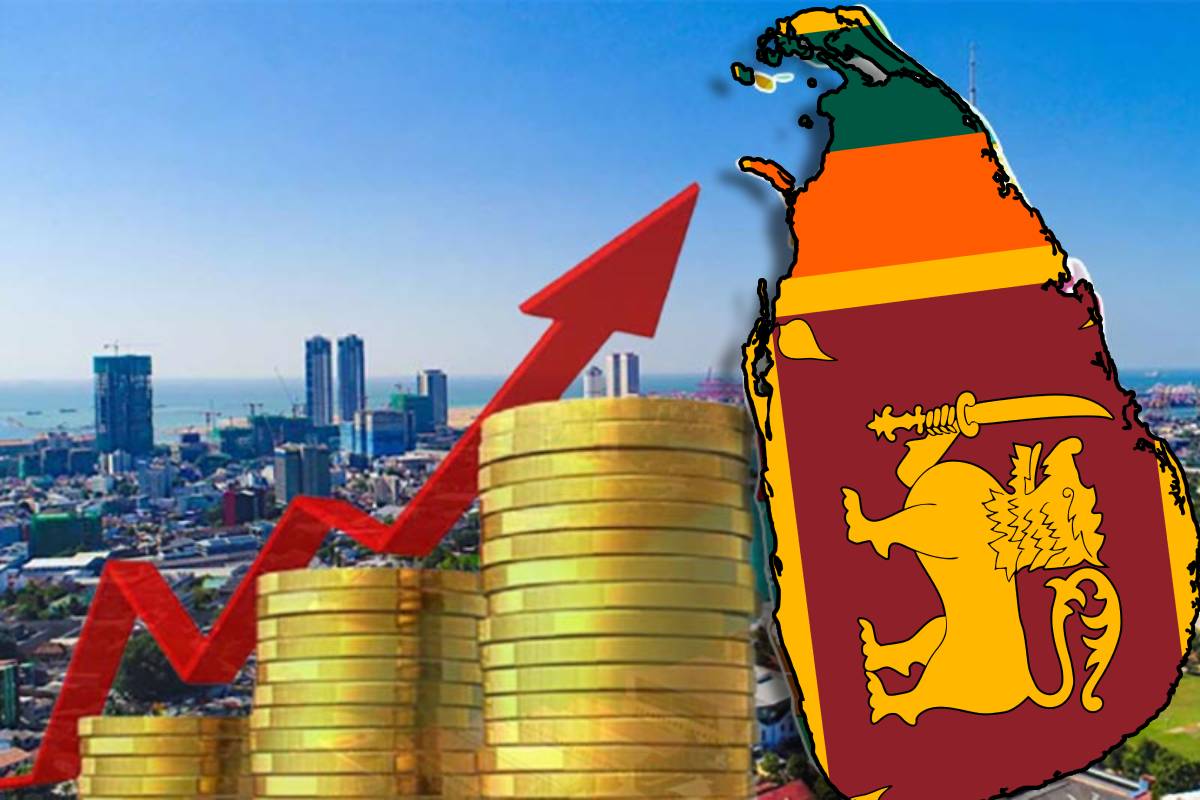
An important staff-level agreement has been reached between Sri Lanka and the International Monetary Fund’s staff committee. The agreement was reached after negotiations to conclude the seventh review of Sri Lanka’s economic restructuring measures under the International Monetary Fund’s Extended Credit Facility programme.
After final approval by the Executive Board of the International Monetary Fund for this agreement, Sri Lanka will receive approximately USD 345 million in financing. If this funding is available, it will increase the total funding provided to Sri Lanka under the current Extended Credit Facility program to approximately US$2.7 billion.
After Sri Lanka faced a severe economic crisis, economic restructuring activities with the help of the International Monetary Fund (IMF) are continuing. Various measures such as increasing government revenue, controlling government expenditure, managing the debt burden and rebuilding foreign reserves are key parts of this plan.
The new deal is seen as a major sign that the restructuring plan is continuing. Meanwhile, the International Monetary Fund has said that the country’s economy is showing resilience despite various external shocks.
Conditions laid out for $345 million in funding
Despite the staff-level agreement reached, the USD 345 million fund will not be immediately available to Sri Lanka. First, the Executive Board of the International Monetary Fund must approve the review.
Before that, the budget for 2027 has to be submitted to the Parliament in line with the IMF’s program parameters. Similarly, the International Monetary Fund said that the financial assurance review should also be completed.
Only after these conditions are fulfilled will the next phase of funding take place. Thus the government’s budget for 2027 has become crucial in this process.
Current statistics show that Sri Lanka’s economic status has improved over the past. It is reported that the country’s economy has registered a growth of 4.2 percent in the second quarter of 2026. Meanwhile, the country’s official foreign reserves increased to US$6.9 billion at the end of August.
This increase in foreign reserves is seen as a major factor in strengthening Sri Lanka’s external financial position. One of the government’s main goals was to rebuild foreign reserves, which had dwindled significantly during the economic crisis.
Meanwhile, it has been reported that inflation was 8 percent in the month of September. The International Monetary Fund also noted that debt restructuring measures are largely complete.
However, the International Monetary Fund has pointed out risks to the economy along with these developments. It has been warned that especially the war situation in the Middle East, changes in global trade policies and El Niño climate impacts may affect Sri Lanka’s economy.
As Sri Lanka is a country that can be affected by international situations in various sectors such as foreign trade, tourism, energy and income of Sri Lankans working abroad, there is a need to continuously increase the capacity to deal with external shocks.
A change in fuel price and income policy is needed
It is also important to continue the economic restructuring with new financing. The International Monetary Fund has reiterated that domestic fuel prices should be adjusted according to the global market situation.
At the same time, it is recommended to reduce the pressures of economic restructuring by providing targeted relief to low-income people.
Changes in fuel prices can have a direct impact on people’s daily lives. The impact of fuel prices is also seen in the cost of transport, food prices and charges of various services. Therefore, measures to protect low-income households are also important while pricing in line with global market conditions.
Likewise, the IMF said the government should develop medium-term plans to increase its revenue. These include measures to improve tax collection, broaden the tax base and reduce leakages in government revenue.
It was also emphasized that the financial management of the government should be further strengthened. There is a need to ensure that government expenditure is planned and public money is used efficiently.
Along with this, it has been mentioned that it is important to protect the anti-corruption legal framework. Economic restructuring is not simply a move to get financial aid. It is a process that should bring about long-term changes in the country’s governance, income, expenditure, investment and performance of government institutions.
With Sri Lanka’s economy now recovering, the next challenge is to sustain this progress. Further increasing foreign reserves, managing debt burden, attracting investments and creating new employment will be important in future.
It is also necessary to ensure that the benefits of economic growth reach all sections of society. Social protection programs should be strengthened so that the burden of economic restructuring measures does not fall heavily on low-income people.
While the USD 345 million available to Sri Lanka will help stabilize the country’s economy, more important is the continued and proper implementation of the restructuring process.
With staff-level agreement now reached, the next major step is expected to be approval by the Executive Board of the International Monetary Fund. Disbursement of funds will take place after that approval.
This will complete another phase in Sri Lanka’s economic recovery journey. While recovering from the past crisis, building a strong economy that can withstand external shocks will be the next major responsibility of the government.